The word "wiki" is supposed to have derived from the Hawaiian "wiki wiki" meaning quick or speedy. If you think about a wiki website, the name makes a lot of sense, given that a wiki allows multiple contributors to update information quite quickly.
If you've ever looked at Wikipedia (which would have to be the best wiki in the world) on the day of a major event - say, the swearing in of the prime minister - you will generally find that this new information about both the person and the nation has already been updated.
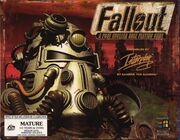
Apart from Wikipedia, the wiki I look at most often can be found here. Yes, it is The Vault, a Fallout wiki, and it is quite possibly the second best wiki in the world (though this has yet to be proven).
When I was a Library student, I remember we had a dreaded group assignment (in my opinion, group assignments are a kind of cruel, and unfortunately not unusual, form of torture inflicted on students so that Lecturers have less marking to do - am I wrong?). We found that the best way for our group to work on this - a group which included students who traveled a long way to the University, was through a wiki. At that stage, I had never contributed to one before and wasn't even sure what to do, but given that they are so easy to edit and update, I found working on that particular group assignment almost painless.
Well, this post is fast becoming very non wiki wiki, so I shall leave it for now. Suffice to say, I am a pro-wikiite and can really see the benefit in using them - they're the perfect way to share information, which is what I imagine the internet was created for in the first place ...
P.S. How awesome are those Common Craft videos by Lee LeFever? Here's one you won't see in the Web 2.0 training (it's a Youtube video, so you may not be able to see it at work):